Whitefish Angling: How to Succeed from the Shore, Pier, and Boat
Julkaistu: 4/13/2026 | Kirjoittaja: Kristian Salmi
Whitefish angling is a peaceful but surprisingly precision-demanding form of fishing. Whitefish often move near the bottom, feed cautiously, and react sensitively to both bait size and presentation. Once the basics are in order, whitefish angling is well-suited for beginners while still offering plenty of challenges for experienced anglers.
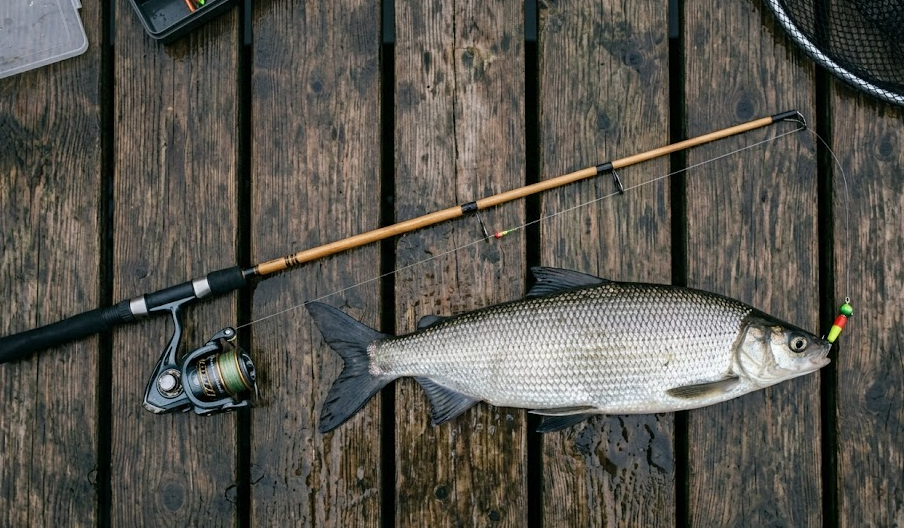
When Should You Fish for Whitefish?
The best time for whitefish angling depends on the water body and the season, but generally, the most productive moments occur in spring and autumn. In cold water, whitefish move actively in shallower areas, making them easier to reach from the shore or a pier. In midsummer, whitefish are often found deeper, making boat fishing more effective.
The first hours of the morning and the twilight of the evening are often the most fruitful. In calm weather, whitefish may also feed well during the day, especially in clear-water lakes and marine areas where bottom contours and currents guide the fish's movement.
Where Do Whitefish Thrive?
Whitefish thrive in clean and oxygen-rich waters. When angling, you should look for:
- Gently deepening edges of sand, gravel, or small rocks
- Straits and points where the water circulates
- Fronts of piers with a quickly deepening shelf
- The boundary between shallows and deeper water
In marine areas, rocky edges, open shores, and places where the spring sun warms the water slightly more than surrounding areas are particularly interesting. In lakes, whitefish are often reached from the edges of ridges and near open waters if there is sufficient depth near the shore.
Effective Gear for Whitefish Angling
You don't need heavy equipment for whitefish angling. A light and sensitive set works best because a whitefish's bite can be very subtle.
Basic equipment:
- A light 9-12 foot angling rod or a light feeder rod
- A small spinning reel
- Thin main line, for example, 0.14-0.20 mm monofilament
- A light sliding or fixed float depending on the situation
- A small hook, typically sizes 10-16
- Small split shots or a light bottom sinker
Many whitefish anglers prefer the most delicate rig possible. A line that is too coarse, a float that is too large, or weights that are too heavy can clearly reduce the number of bites.
The Best Baits
The most common and reliable baits for whitefish are natural and relatively small. Effective options include:
- Maggots
- Worms in small pieces
- Bloodworms (when available)
- Small pieces of shrimp in some marine locations
Often one or two maggots on a small hook is enough. The bait should look neatly small, as whitefish rarely take a large and clumsy mouthful as confidently as a fine offering.
Float or Bottom Rig?
Both techniques work for whitefish angling. The choice depends mainly on the location and how close to the bottom the fish are feeding.
Float fishing works well when:
- You are fishing from a pier or shore into shallower water
- The bottom is fairly even
- You want to track cautious bites closely
Bottom fishing or light feeder-style fishing works well when:
- The fish are staying right at the bottom
- Wind makes float control difficult
- You are casting a bit further from the shore
In many places, the most effective solution is to adjust the bait to be just above the bottom. If the bait lies heavily on the bottom, whitefish don't always find it as well.
Recognizing the Bite and Setting the Hook
A whitefish bite is often subtle. The float may quiver only slightly, tilt sideways, or rise a bit. In bottom fishing, a small twitch of the line or a light movement of the rod tip may be the only sign.
A hasty hookset often leads to missing the fish. Give the whitefish a small moment to take the bait properly, but stay alert. A soft and snappy hookset is enough, as the thin line and small hook usually hold the fish well.
Differences Between Spring and Autumn
In spring, whitefish angling often focuses on shallower shores where the fish move to feed after the ice melts. At this time, light float fishing can be very effective, especially on sunny days and in light currents.
In autumn, whitefish move actively before the water cools further. Anglers fishing from the shore benefit particularly from windy shores and deepening points where food drifts. In autumn, larger individuals may also strike the bait, so keep your net ready.
Common Mistakes
In whitefish angling, fine-tuning often improves results more than a major change. Common mistakes include:
- Line that is too thick
- A hook that is too large
- A float or weight that is too heavy
- Offering the bait too high from the bottom
- Giving up on a spot too quickly
If you aren't getting bites, first try a smaller bait, lighter weighting, or moving a few meters to the side. Whitefish can be very precisely located in a certain depth zone.
Tips for a Successful Whitefish Trip
Patience is rewarded in whitefish angling. A good spot, a delicate presentation, and careful monitoring of bites matter more than constantly changing the bait. Bring several small floats, different sized hooks, and enough natural bait so you can adapt to the day's situation.
If you find a spot where the bottom quality, depth, and water movement meet, it's worth spending time there. Whitefish often move in schools, and the first fish may mean that more are nearby.
Summary
At its best, whitefish angling is precise, peaceful, and rewarding fishing. The cornerstones of success are the right location, light equipment, small natural bait, and patience at the moment of the bite. When you learn to read the bottom and fish inconspicuously, the whitefish becomes a much more accessible species.
Small adjustments can have a big impact, so feel free to experiment with depth, bait size, and fishing locations. At its best, whitefish angling offers not only a fine catch but also a very pleasant way to spend time by the water.